
Julia Gidney
Jun 16
When AI Makes Workplace Grievances Worse
What Can Employers Do About It?
AI is changing the way employees communicate at work. Sometimes
that is a good thing but when it comes to workplace grievances, AI is creating
a new set of problems that many organisations are finding challenging. This post focuses on the steps employers can take to best handle AI-generated grievance challenges.
The
grievance process used to be relatively predictable. Multi-stage, formulaic and
understood by everyone involved. HR professionals and managers knew what to
expect. Employees knew what was needed. The process worked well.
Now, employers are increasingly on the receiving end of lengthy, complex and impersonal AI-generated grievance submissions that existing procedures were not built to handle.
Now, employers are increasingly on the receiving end of lengthy, complex and impersonal AI-generated grievance submissions that existing procedures were not built to handle.
Some grievance submissions now run to dozens of
pages, packed with legal terminology (often used incorrectly), repetitive
arguments and allegations that are difficult to identify, let alone investigate
or resolve.
Rather than helping employees communicate clearly, AI is causing confusion, delay and a drain on management time. It is also giving employees false hope and unrealistic expectations, as it tends to be written in language that reinforces their belief in the validity of their complaint, whether or not that confidence is warranted.
Employment Tribunals are already pushing back – so should employers
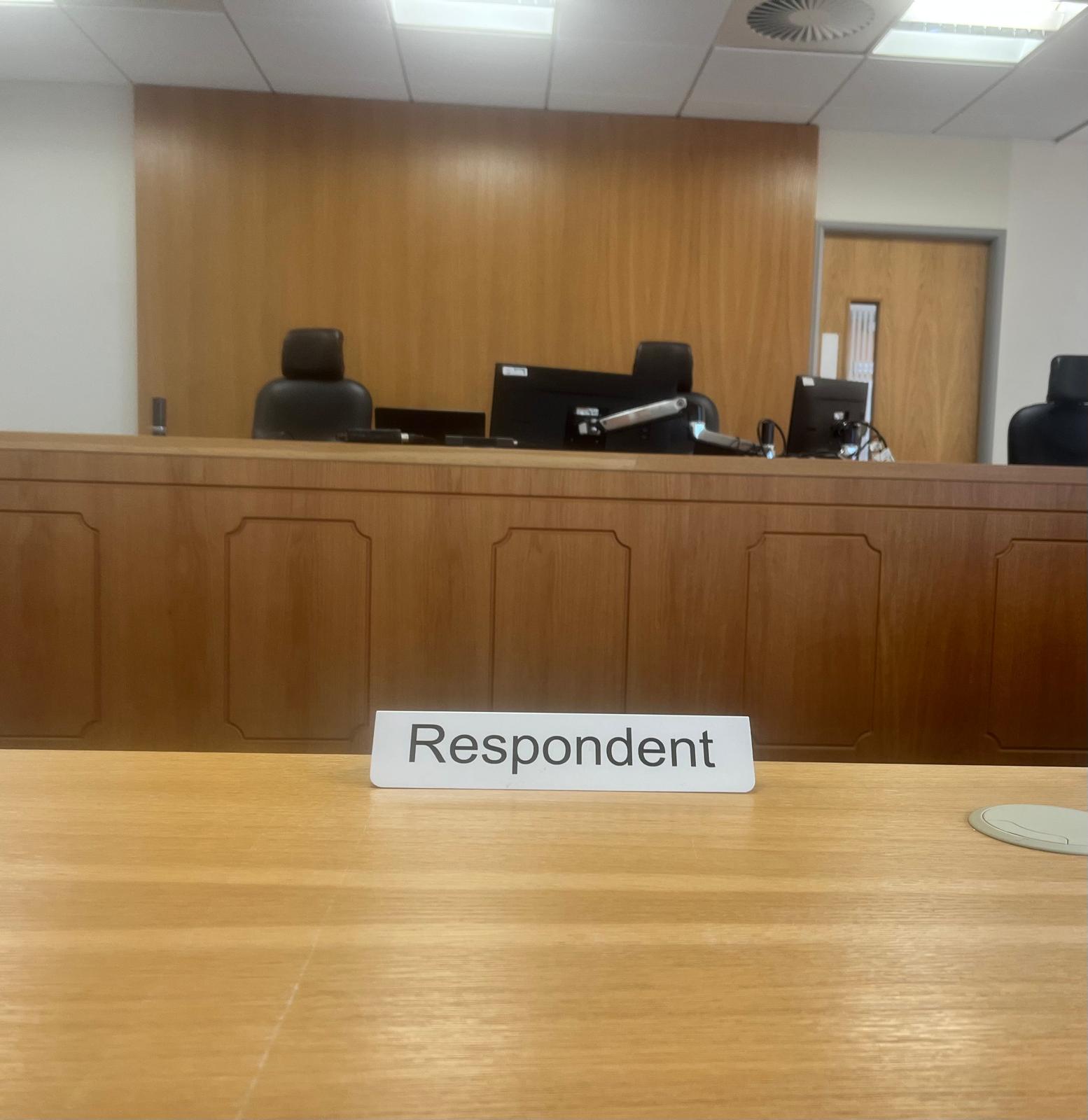
Employment
Tribunals have started taking a firmer line. Excessively long and poorly
focused ET1 claims are increasingly being rejected if they cannot be ‘meaningfully
responded to’.
Tribunal Respondents are also increasingly alive to this opportunity and are also asking for strike-out of AI generated claims on that basis.
This raises an important question for employers: should you adopt a similarly structured approach for internal grievance submissions? In my view, the answer is yes.
Here are my top 10 suggestions for how an employer can handle AI in the grievance processes fairly.
Tribunal Respondents are also increasingly alive to this opportunity and are also asking for strike-out of AI generated claims on that basis.
This raises an important question for employers: should you adopt a similarly structured approach for internal grievance submissions? In my view, the answer is yes.
Here are my top 10 suggestions for how an employer can handle AI in the grievance processes fairly.
Top 10 suggestions for modernising your grievance process to limit the negative influence of AI
1. Prepare your teams for the AI challenge
Let impacted managers know that a new approach is needed. Be prepared to revisit policies and procedures and to re-scope the grievance pathway.
2. Set clear rules around AI use in your policies – formulate an AI policy
Address explicitly what is and is not acceptable when it comes to AI in your business. When
it comes to grievance input, employees need to know that while technology can
assist them with drafting, the final submission must be their own personal,
accurate and focused account. Making this clear from the outset gives employers
a firm foundation if submissions need to be returned or challenged.
3. Educate employees about AI limitations
Help your employees to understand the limitations and dangers of using Ai in grievance processes (as in other ways in your business):
-
AI can be inaccurate, exaggerated, outdated or legally wrong and should never be treated as authoritative.
-
AI rarely understands contextual circumstances
-
AI must always be carefully verified.
-
Employees are not permitted to enter confidential workplace information into AI, as that may create data privacy or data protection issues.
4. Provide alternative channels for early concerns and build in early conversations
Strengthen informal resolution routes so that employee issues are raised early, before they escalate into lengthy formal complaints.
A conversation with a trusted manager, an HR contact or an employee assistance programme is likely to achieve far more than a 20-page document ever could.
5. Set clear expectations around grievance content upfront
State that grievances must reflect the employee’s own personal account of events.
This does not mean banning spell-checkers or drafting tools. It means the final submission should be concise, accurate and genuinely reflect the individual’s personal experience.
6. Introduce a standard grievance form - with a word limit
Consider introducing a structured grievance form and cap explanatory content at around 500 words.
A standardised grievance form can ask for employee details, the
type of complaint (from a sample list), relevant dates, key individuals and details of available supporting witness information. Also, the outcome sought.
7. Require that supporting evidence is supplied only after the core issues are identified
Scheduling the provision of supporting evidence later in the grievance process is not about restricting employees from raising their grievances. It is about sequencing the flow of information sensibly.
This approach is consistent with the Acas Code of Practice on Disciplinary & Grievance Procedures, which states that the explanation of the employee’s grievance should be given during a grievance meeting.
8. Focus on timeliness
There will be several opportunities during the grievance process to act efficiently, which can prevent or limit the opportunity to resort to AI, which in turn can help to prevent the entrenchment of the employee’s position. For instance:
-
Act to address employee concerns ahead of a grievance even being formulated - this might head off the use if AI altogether.
-
Efficiently expaiIn the expectations of the grievance process ahead of the employee preparing their account – encourages focus.
-
When the grievance lands, schedule an early face to face or virtual meeting as soon possible – helps to avoid entrenchment of positions.
-
Agree the resulting grievance summary with the employee, based on the face-to-face discussion, as soon as possible after the initial meeting and ahead of further investigations. This is an opportunity to refine issues and clarify exactly what needs to be addressed.
9. Focus on personal engagement
Face-to-face engagement makes the process personal. Hearing from the employee in their own words removes the lens of an AI-generated document.
This will clarify misunderstandings early on, uncover the real issues, reduce reliance on lengthy documents and will often open the door to informal resolution.
10. Make conciliation and mediation part of the journey
Rather than treating mediation as a last resort, build it into the process at multiple points i.e.:
-
before a formal investigation begins
-
again once preliminary findings are known (if appropriate)
-
and again once final grievance outcomes are known.
Many
workplace disputes stem from communication breakdowns or damaged relationships,
not fundamental wrongdoing. Mediation can often resolve these more quickly and
constructively than a full investigation.
What does a better process deliver?
A
more structured approach to grievance handling delivers clear benefits for
everyone involved:
-
Faster investigations: clearly defined concerns mean work begins sooner with less time spent decoding the submission.
-
Better outcomes: decision-makers focus on the actual issues rather than navigating pages of irrelevant material.
-
Fairer for everyone: both the employee raising concerns and those responding benefit from a fact-focused process.
-
Reduced legal risk: clear, documented procedures help demonstrate that the employer has acted reasonably and fairly.
A Word of Caution
None of this should create barriers that prevent legitimate grievances from being raised.
None of this should create barriers that prevent legitimate grievances from being raised.
The goal is not to discourage employees from raising their concerns and generating formal grievances. It is to ensure concerns can be understood, investigated and resolved effectively.
Any revised procedure must remain accessible and legally compliant, with appropriate support avAIlable to employees who need it due to disability, language barriers or literacy challenges.
The bigger picture
As AI becomes more embedded in everyday workplace communication, organisations need to be clear-eyed about where it helps and where it hinders.
A grievance process that encourages concise, personal and evidence-based accounts is likely to serve everyone better than one that inadvertently invites endless AI-generated narratives.
A grievance process that encourages concise, personal and evidence-based accounts is likely to serve everyone better than one that inadvertently invites endless AI-generated narratives.
None of this is necessarily the perfect solution, however, these ideas may form the basis of a conversation worth having in your business and in my experience, the sooner that happens, the better for all concerned.

Policy Pages
Get in touch
Copyright © 2026