
When Someone Raises a Complaint at Work, What Happens Next Is Everything

Jun 4 / Julia Gidney
Essential Manager Training | 5 min read

Workplace Investigations

A grievance is filed. An allegation is made. Perhaps a disciplinary matter has come to your attention. As a business owner or senior manager, you know something needs to be done.  What do you do next?

Workplace investigations are one of the most high-stakes processes a business can undertake.  Get them right and you protect your employees, your organisation and your reputation. Get them wrong and you risk costly employment tribunal claims, damaged working relationships and, perhaps most importantly, a profound sense of injustice for the people involved.

This post sets out what a robust investigation actually looks like and why equipping your Investigations Officers with the right knowledge before they begin is not optional. It is essential.


The work begins before the first interview

Many managers assume an investigation starts when they sit down with a witness. In reality, the quality of an investigation is largely determined by the groundwork laid beforehand.

A properly prepared Investigations Officer will:

  • Understand their precise role and responsibilities
  • Have a clear terms of reference defining the scope and boundaries of the investigation
  • Know where evidence is likely to be found, from documents and emails to system logs and third-party accounts
  • Have a structured investigation plan in place before any meetings take place
Without this preparation, investigations drift. Key evidence goes ungathered. The scope expands unchecked. The resulting report then lacks the coherence and credibility it needs to stand up to scrutiny.

Conducting meetings that are both thorough and compliant
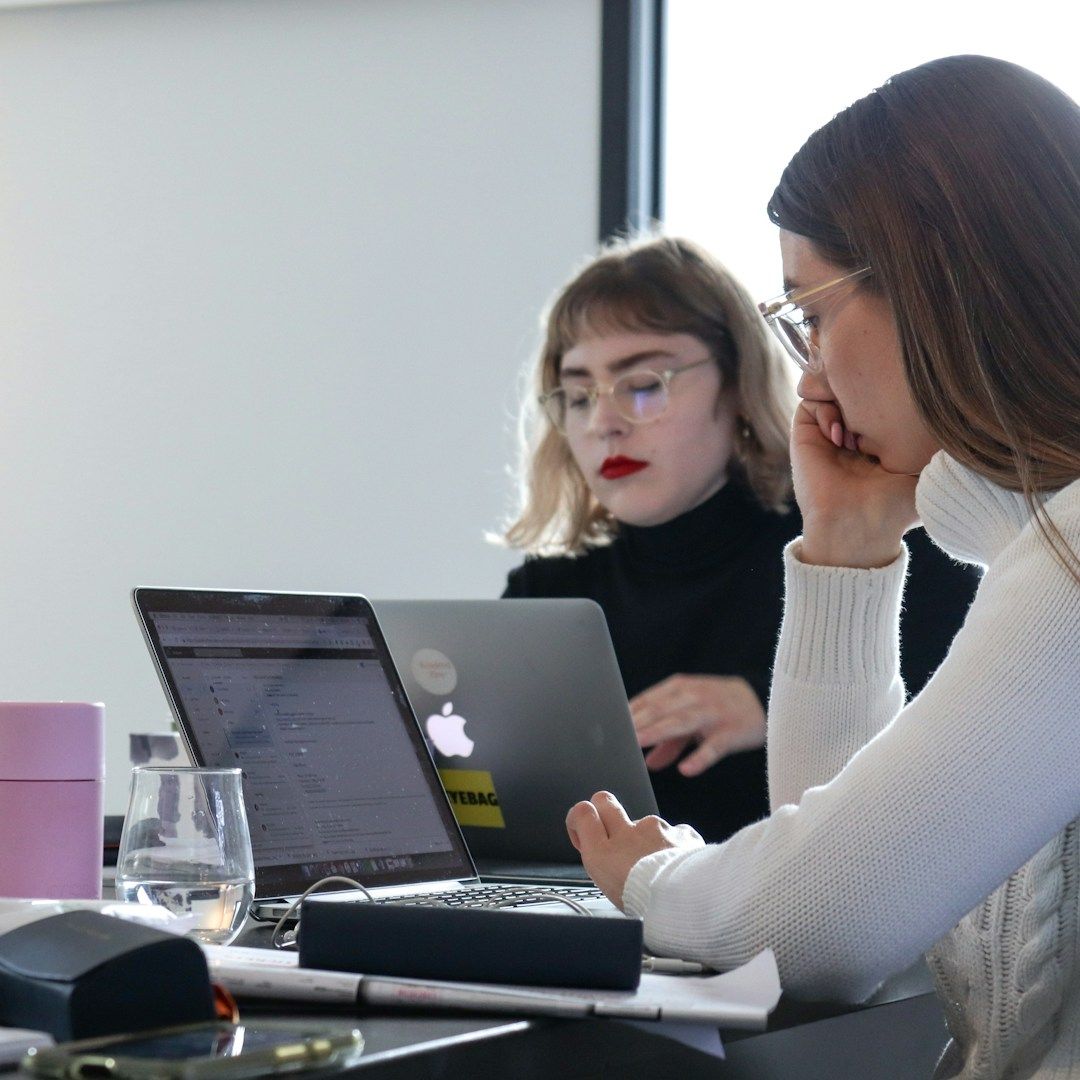
The investigation meeting is where most Officers feel the pressure most acutely and where mistakes are most commonly made.


ACAS guidance provides a clear framework for how these meetings should be conducted and following it is not simply good practice. It provides a critical layer of legal protection for your business.

This means:

  • Issuing compliant invitations
  • Ensuring appropriate representation is in place
  • Understanding the role of companions
  • Using a structured meeting 

Equally important is how questions are asked. Skilled questioning techniques open up accounts and surface the truth. Poor questioning such as leading questions, closed questions or unnecessarily adversarial approaches can compromise the integrity of the entire process.

There is also the practical matter of evidence: how to compile thorough meeting notes and statements, how to handle a witness who refuses to sign and how to manage both physical and electronic evidence in a way that preserves its integrity.

Writing a report that can bear the weight of what follows

The investigation report is the document everything else depends on. Disciplinary decisions, grievance outcomes and appeals all flow from what your Investigations Officer records in their report.
A well-structured report is not simply a narrative of what happened. It applies the correct evidential test, presents a clear chronology, identifies all relevant parties, schedules the meetings and statements taken, makes considered findings and where appropriate offers recommendations.

It should be a document that a reasonable, independent reader could follow and trust.
Too often, investigation reports are produced without a clear structure, without reference to the terms of reference and without a proper assessment of the evidence. The consequences can be severe: appeals upheld, decisions overturned and significant legal exposure for the business.

The questions you hope to avoid but should be prepared to answer.

Even the most well-prepared Investigations Officer will encounter situations that were not in the plan. Consider:
  • What happens if the police become involved?
  • Can a witness be granted anonymity?
  • How do you assess the credibility of conflicting accounts?
  • What do you do when an interviewee refuses to cooperate or simply cannot be found?
These are the realities of investigating human behaviour in the workplace. Officers who have never considered these questions before they arise are likely to make decisions that are difficult to defend.

Preparing your people is your responsibility

If your business appoints managers or HR professionals to conduct investigations, as most businesses do, then ensuring those individuals are properly trained is a direct responsibility of the organisation.
Our four-module eLearning programme is practical, UK-focused and grounded in ACAS guidance so your people are not just learning theory. They are learning what to do on Monday morning.
It is designed to give Investigations Officers everything they need: from pre-investigation preparation through to conducting compliant meetings, drafting a defensible report and handling the full range of real-world complexities they are likely to face.
Too often, investigation reports are produced without a clear structure, without reference to the terms of reference and without a proper assessment of the evidence. The consequences can be severe: appeals upheld, decisions overturned and significant legal exposure for the business.
Four-module eLearning programme

Conducting a Workplace Investigation

Practical. UK-focused. Grounded in ACAS guidance.